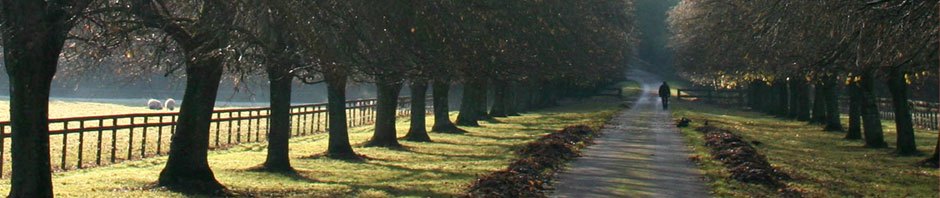
[Rusty post picture taken at old Hull Nike installation]
Watched a Japanese furniture maker doc & the concept of wabi-sabi has hit home.
“Subtle imperfections, or signs of age and weathering are prized. They inspire the viewer to contemplate the passage of time and the imperfect nature of life. A truly beautiful object should inspire a feeling of serene loneliness and quiet self reflection. In Japanese, this aesthetic is called Wabi Sabi.”
If embraced, this can make my feeling about life transform, just like getting the “Photographic eye.” Â I know how to do that!
In reading the Wikipedia entry for this, I mentally smelled, for an immediately recognizable instant, the wood and pipe tobacco smell of my grandfather’s shop. Precious. The automatic tears weren’t far behind.
That perfection, which I know, has not been passed to my son. Gone in 4 generations.
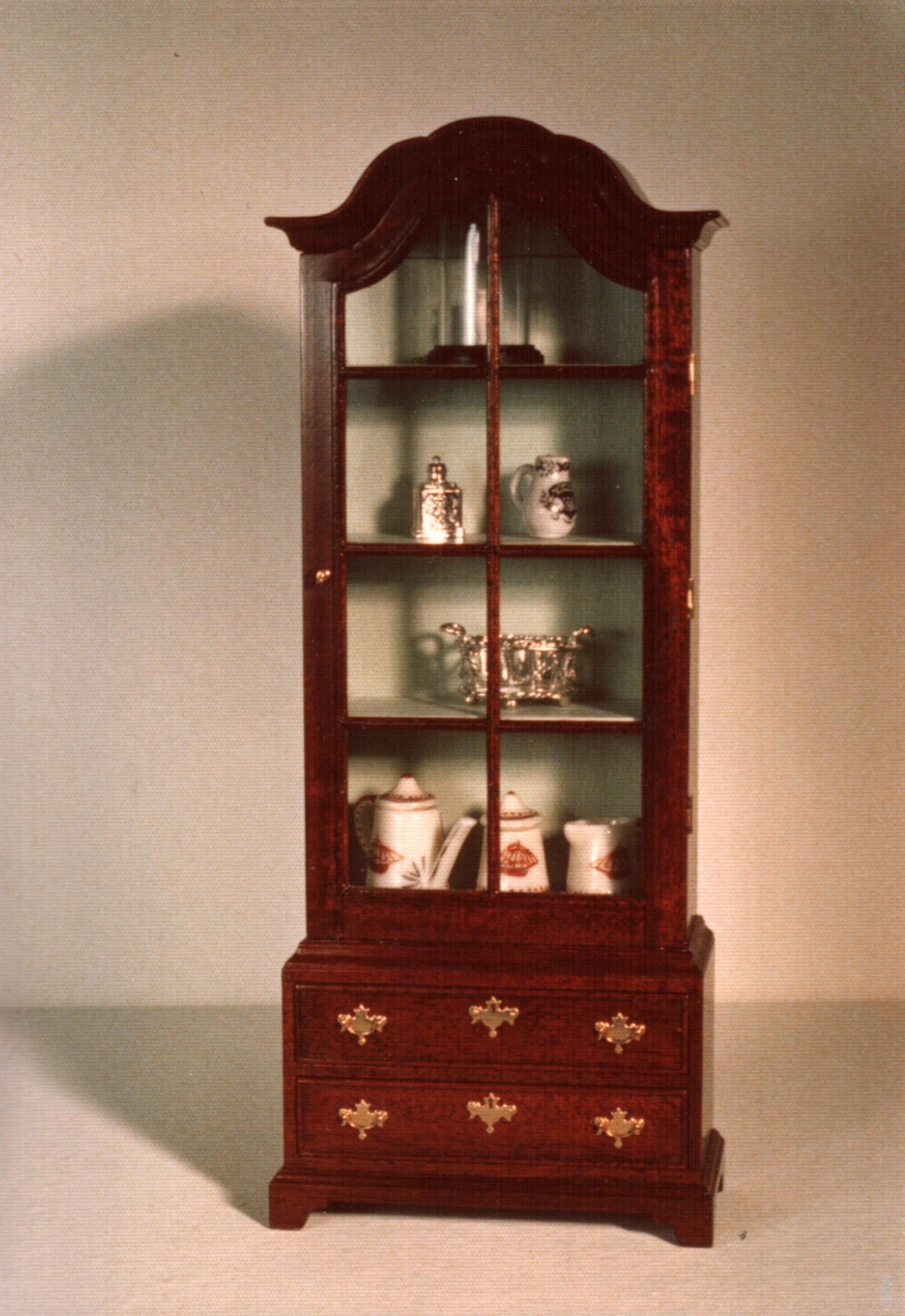
The opposite of Wabi-sabi, by Paul A. Runyon, my grandfather. This is 7 or 8 inches tall.
The idea of perfection has maybe destroyed my life in many ways.
The words wabi and sabi do not translate easily. Wabi originally referred to the loneliness of living in nature, remote Tofrom society; sabi meant “chill”, “lean” or “withered”. Around the 14th century these meanings began to change, taking on more positive connotations.[2] Wabi now connotes rustic simplicity, freshness or quietness, and can be applied to both natural and human-made objects, or understated elegance. It can also refer to quirks and anomalies arising from the process of construction, which add uniqueness and elegance to the object. Sabi is beauty or serenity that comes with age, when the life of the object and its impermanence are evidenced in its patina and wear, or in any visible repairs.
To see any wear or weathering on my Grandfather’s work would be an abomination. In the world of wabi-sabi, perhaps my Grandfather’s work is an abomination.
Ken Heitz’s work would certainly embrace wabi-sabi because it’s rustic furniture. Â These 2 men and the memories of their shops have set up a sort of cognition-mind-bomb for me, which is coming together in this post.
There is more here, and I will keep looking at this and report my findings.